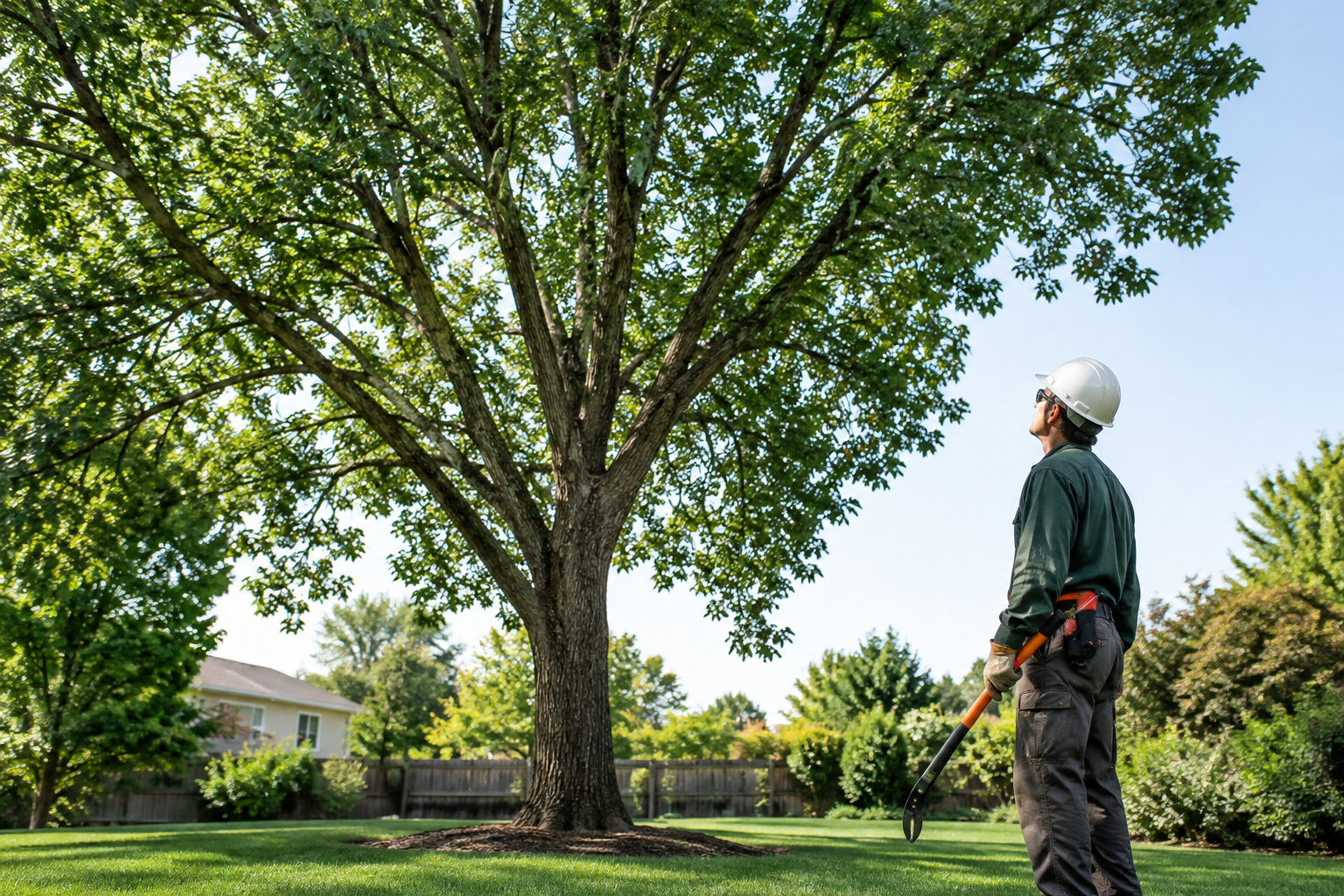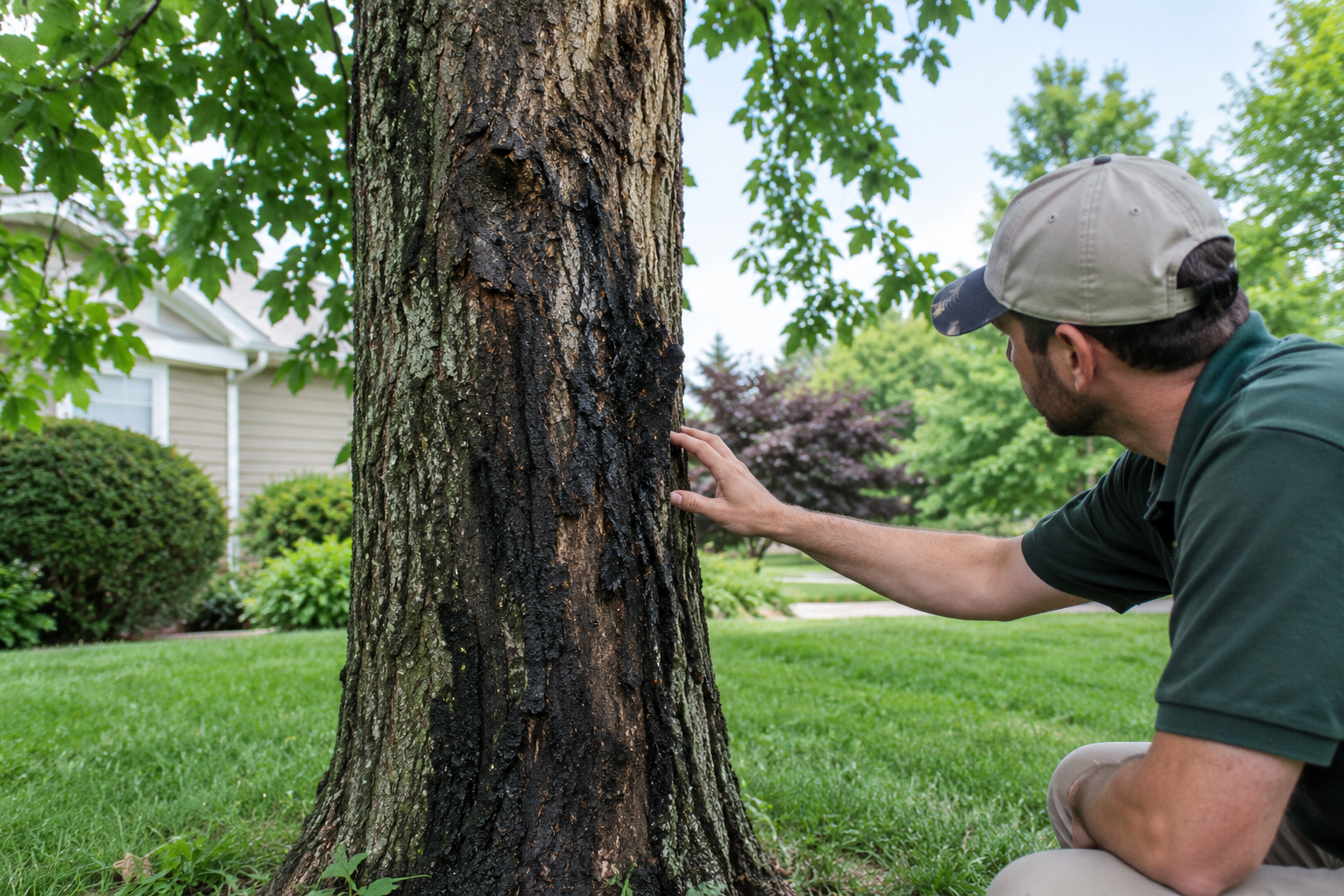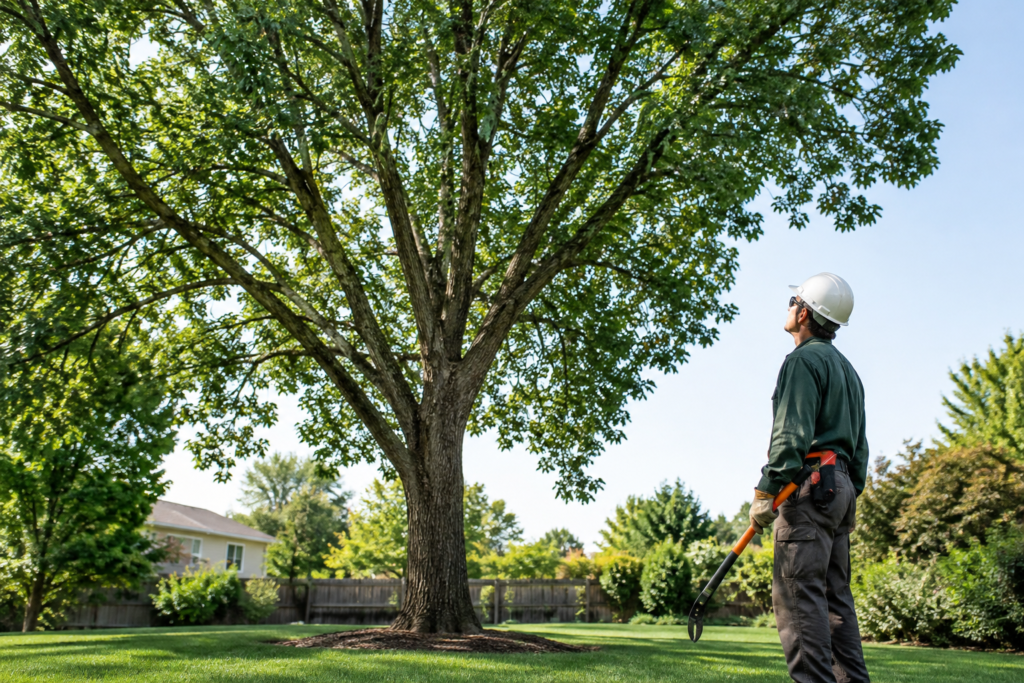
Trees provide shade, beauty, privacy, and value to residential properties. However, as trees mature, their branches may extend over rooftops, block sunlight, interfere with walkways, or grow too close to structures and utility lines. If you are searching for how to manage the size of a tree, it is important to understand that controlling a tree’s size does not mean damaging its health. The right approach depends on the tree species, age, growth pattern, and location. At Wilschek Tree Service, we understand the importance of maintaining attractive landscapes while protecting your property.
Our professional tree-care services help homeowners throughout the Youngstown, Girard, and surrounding Ohio communities address overgrown branches and potential tree hazards. In this guide, we explain practical ways to manage tree size safely and when professional tree trimming may be the better solution.
How to Manage the Size of a Tree Through Proper Pruning
Proper pruning is one of the most effective ways to manage a tree’s size and shape. Rather than cutting branches indiscriminately, selective pruning focuses on removing specific limbs to improve the tree’s structure, maintain clearance, and reduce conflicts with nearby buildings. The appropriate pruning method depends on the species, its natural growth habit, and the amount of reduction required. Some trees tolerate careful crown reduction better than others. A qualified tree-care professional can evaluate the canopy and determine which branches can be removed without compromising the tree’s health or stability.
When considering how to manage the size of a tree, avoid topping it by cutting across the main trunk or large branches simply to make it shorter. Topping can leave large wounds, encourage weakly attached shoots, and create long-term structural problems. Instead, properly performed crown reduction redirects growth toward suitable lateral branches while preserving the tree’s natural form. The amount of reduction should be appropriate for the species and the tree’s condition. If a mature tree has become significantly taller than expected, an on-site assessment can help determine whether reduction is practical or whether another solution is needed.
Young trees can often be guided more easily than mature trees because their structure is still developing. Early structural pruning can help establish well-spaced branches, improve future clearance, and reduce the likelihood of major corrective work later. However, young trees should not be repeatedly cut back simply to prevent normal development. They still need healthy foliage and a suitable growing environment. A long-term pruning plan should account for the tree’s expected mature height and spread, nearby buildings, and overhead obstacles. Wilschek Tree Service provides tree trimming services to help property owners manage branches and maintain their outdoor spaces.
How to Manage the Size of a Tree Without Harming Its Health
Before attempting to restrict a tree’s growth, consider whether its location is appropriate for its mature size. Trees naturally grow toward the light and develop root systems that support their canopies. If a tree repeatedly interferes with a roof, driveway, fence, or walkway, the problem may require more than occasional trimming. A professional assessment can identify whether selective pruning, improved clearance, or another management option is suitable. For new landscaping projects, choosing a tree species that fits the available space is often the most effective way to prevent future size-related problems.
Soil conditions, moisture, sunlight, and nutrients all influence tree growth. However, deliberately starving a tree of nutrients, withholding necessary water, or damaging its roots is not a safe or reliable way to keep it small. These practices can weaken the tree, increase susceptibility to pests and disease, and potentially create a hazardous condition. Fertilizer should be used when there is a demonstrated need, rather than automatically applying or withholding it to manipulate growth. Maintaining appropriate soil conditions and watering practices supports a healthy tree. If a tree is growing too vigorously for its location, a targeted management plan is safer than intentionally stressing it.
Some products known as plant growth regulators can reduce certain aspects of tree growth when used appropriately. Their effectiveness and suitability depend on the product, tree species, site conditions, and desired result. They are not universal solutions for reducing tree height, preventing roots from spreading, or eliminating conflicts with structures. Always follow applicable product labeling and seek qualified professional guidance before considering chemical treatments. Root cutting and root-zone disturbance also require caution because major roots help anchor and nourish the tree. Wilschek Tree Service can help homeowners evaluate overgrown trees and identify suitable tree-care options before unnecessary cutting or other damaging measures are attempted.
How to Manage the Size of a Tree Near Your Home or Utility Lines
Trees growing close to houses, garages, fences, and driveways can require careful management as their branches extend. Branches touching siding or roofing may cause abrasion, retain moisture, or create access points for pests. Limbs extending over driveways can interfere with vehicles, while branches blocking windows may reduce natural light. The best solution depends on the specific clearance issue and the tree’s structure. Selective pruning may provide the necessary space while preserving the tree’s appearance. Regular inspections can also help identify developing conflicts before branches become difficult or expensive to manage.
Utility lines require special attention when managing tree growth. Never attempt to prune branches that are touching or close to electrical conductors yourself. Electrical hazards can cause severe injury or death, even when branches appear dry or the work seems straightforward. Contact the utility provider to determine the appropriate procedure and qualified personnel for work near power lines. For trees near other structures, an experienced tree-care crew can assess access, branch weight, and the safest way to complete approved pruning. Wilschek Tree Service emphasizes safety-conscious tree care and property protection when evaluating tree-related concerns.
Sometimes, the safest long-term answer is not to repeatedly reduce a tree’s canopy. If a tree is unsuitable for its location, has serious structural defects, or cannot be maintained safely within the available space, removal may need to be considered. This decision should follow an assessment of the tree’s condition, location, potential hazards, and alternatives. Removing a healthy tree solely because it has grown may not be necessary when appropriate pruning can solve the problem. However, repeated severe cutting is not a sustainable substitute for a suitable long-term plan. Wilschek Tree Service offers tree removal, hazard removal, and trimming services to help property owners choose an appropriate course of action.
Conclusion: Get Professional Help Managing Tree Size
Learning how to manage the size of a tree starts with understanding that healthy size management is different from damaging or starving a tree. Proper pruning, early structural care, suitable planting decisions, and regular inspections can help keep trees compatible with their surroundings. Avoid topping trees, cutting major roots, or applying growth-control products without understanding the risks. If branches are approaching your home, obstructing access, or interfering with nearby structures, professional guidance can help you make an informed decision. Wilschek Tree Service serves homeowners in the Youngstown, Girard, and surrounding Ohio communities with tree trimming, deadwood removal, and other tree-care solutions. Call 330-539-2444 or visit wilschektreeservice.com to request a free estimate and discuss your tree-care needs.