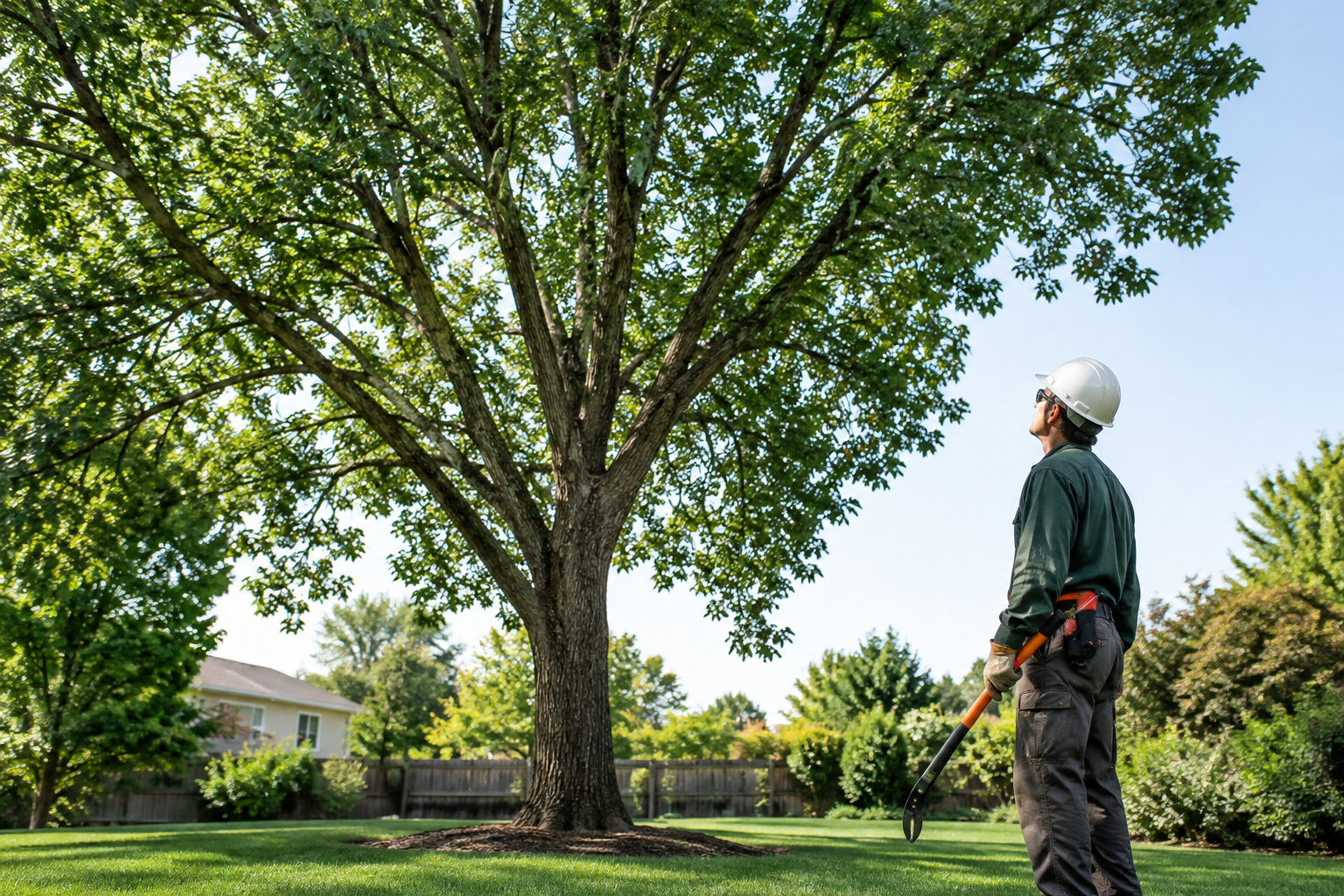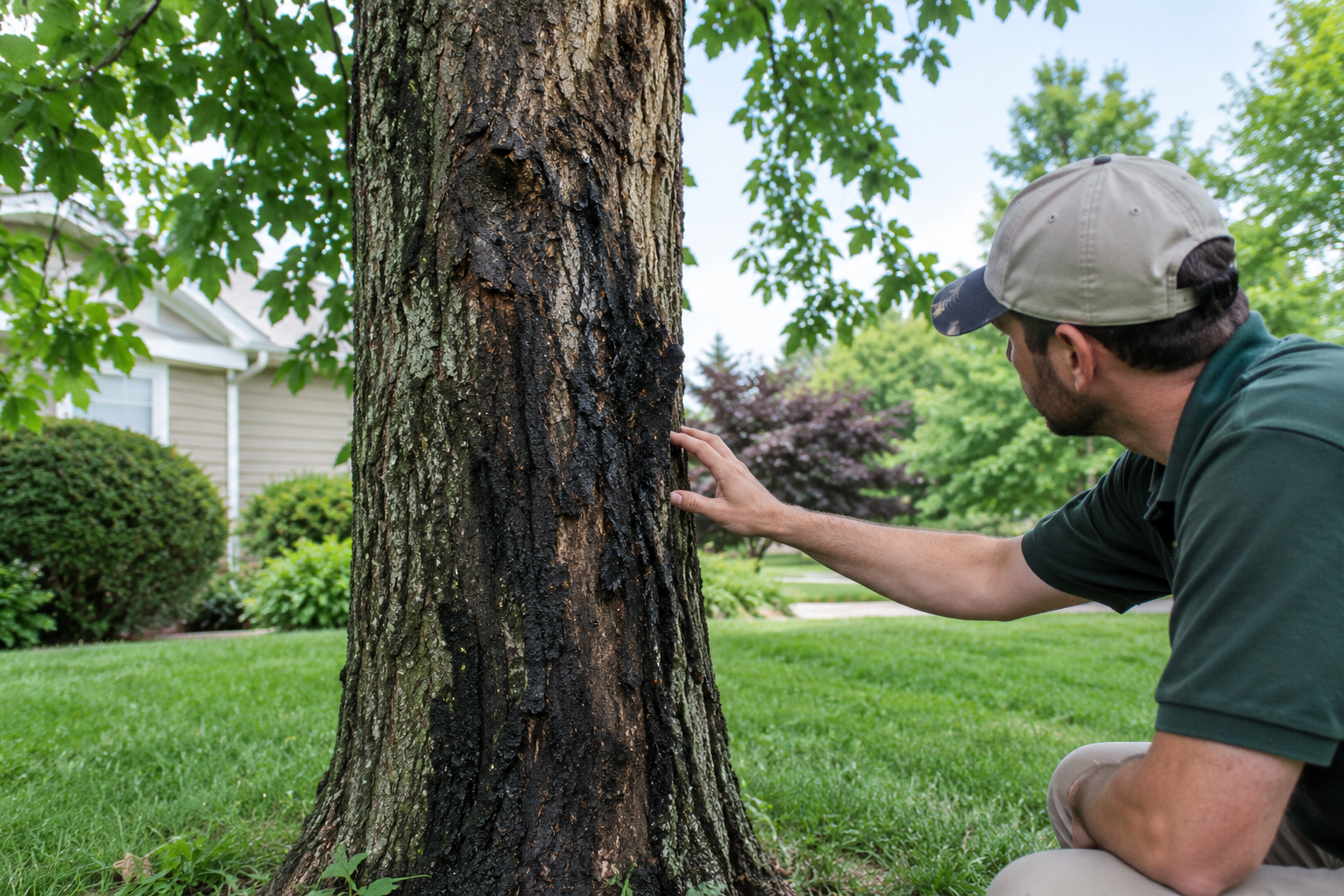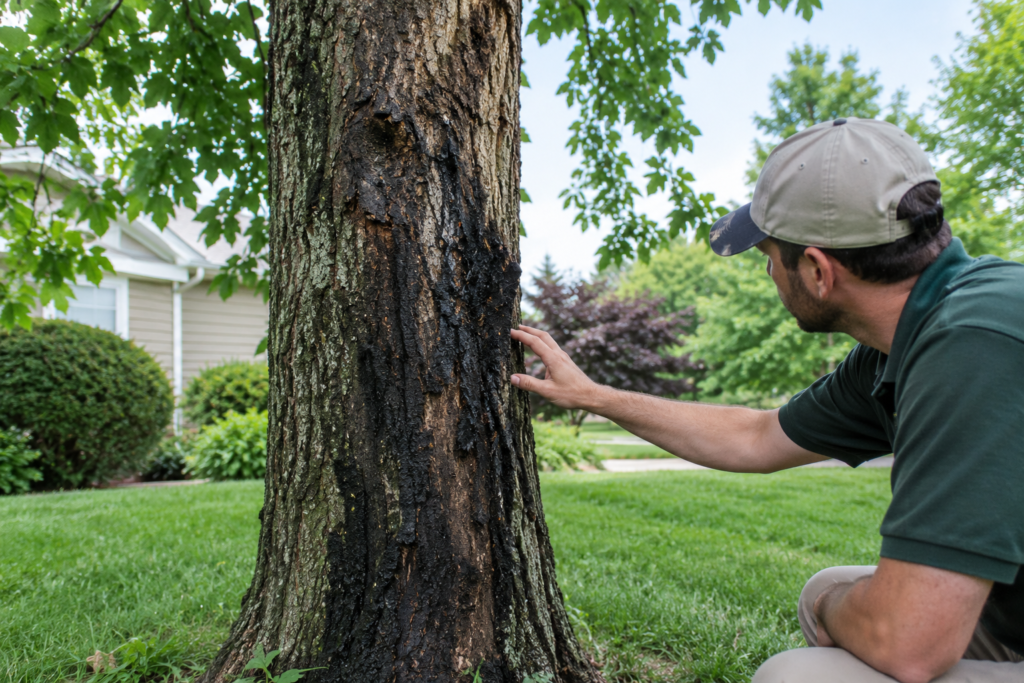
Noticing dark patches, black streaks, or unusual discoloration on a tree trunk can be concerning, especially when the tree provides shade or adds value to your property. If you are asking, why is my tree trunk turning black, the answer may involve several different factors, including surface growth, moisture, insects, physical damage, or an underlying tree-health problem. Black discoloration does not automatically mean a tree is dying, but it should not be ignored when accompanied by other unusual symptoms. Understanding what to look for can help you decide when to monitor the tree and when to seek professional guidance. Wilschek Tree Service helps property owners throughout the Youngstown, Girard, and surrounding Ohio communities address tree-care concerns, including damaged limbs and potentially hazardous trees. This guide explains common reasons for blackened bark and practical next steps.
Why Is My Tree Trunk Turning Black Because of Disease or Fungal Growth?
One possible explanation for a black tree trunk is the presence of fungal growth or a disease affecting the bark or underlying tissues. Certain fungi develop on moist surfaces, while other organisms can contribute to cankers, decay, or localized damage. The appearance may vary depending on the tree species, weather, and the organism involved. Dark discoloration alone is not enough to identify a specific disease. Look for additional signs such as sunken areas, cracked bark, dead branches, unusual growths, or changes in the foliage. These symptoms can help a qualified professional determine whether further investigation is necessary.
Sooty mold is another possible cause of black material on bark, particularly when insects producing sugary honeydew are present. Aphids, scale insects, and other sap-feeding pests can leave honeydew on branches, leaves, and nearby surfaces. A dark coating may develop on this sticky material and make the trunk appear black. In such cases, the visible discoloration may be related to insect activity rather than a disease directly attacking the trunk. Inspecting nearby leaves and branches for insects, sticky residue, or similar dark coatings can provide useful clues. Avoid applying pesticides or fungicides without identifying the likely cause and determining whether treatment is appropriate.
Some tree diseases cause darkened bark, bleeding areas, or lesions that may resemble black stains. Bacterial wetwood, for example, can produce fluid that seeps from affected trunk tissue and may leave discolored streaks on the bark. Other diseases can create cankers or damage that gradually affects surrounding wood. These conditions vary in severity, and their management depends on the tree species and the extent of the problem. Avoid scraping away bark or cutting into the trunk to investigate a suspected infection. Such actions can create additional wounds. If discoloration is spreading or accompanied by significant decline, arrange an assessment by a qualified tree-care professional.
Why Is My Tree Trunk Turning Black After Weather Damage or Environmental Stress?
Weather and environmental conditions can contribute to changes in bark appearance. Heavy rain, prolonged dampness, poor drainage, and persistent moisture may encourage surface growth or aggravate existing tree-health problems. Storms can also damage bark, break branches, or expose previously protected tissues. After severe weather, inspect the tree from a safe distance for hanging limbs, fresh cracks, leaning, or branches that have become trapped against structures. A blackened area may be relatively superficial, but damage beneath it can require closer evaluation. Avoid assuming that discoloration is harmless simply because the tree still has green leaves.
Physical injuries can also affect a trunk’s appearance. Lawn equipment, vehicles, construction work, improper pruning, and other impacts may damage bark and expose underlying tissues. The injured area can darken over time, and damaged tissue may become more susceptible to decay or secondary pests. Do not remove large sections of bark or apply paint, sealants, or home remedies unless a qualified professional recommends a specific treatment. Trees respond differently to injuries depending on their species, age, and overall condition. If the damaged area is extensive, wraps around much of the trunk, or appears to be worsening, professional evaluation can help determine the next steps.
Environmental stress may be involved when blackened bark appears alongside thinning foliage, premature leaf drop, branch dieback, or reduced growth. Drought, waterlogged soil, root disturbance, and unsuitable growing conditions can affect a tree’s ability to function normally. However, these symptoms are not specific enough to identify a single cause. Consider whether there have been recent changes to watering, drainage, nearby construction, soil levels, or landscaping. Providing appropriate growing conditions can support a tree’s health, but it will not necessarily correct an existing disease or structural problem. A careful assessment should consider the entire tree and its surroundings rather than focusing only on the blackened patch.
When Should You Call a Professional?
The first step is to observe the tree without disturbing the affected bark. Note the size, location, and appearance of the discoloration, and check whether nearby branches and leaves look normal. Photographing the area over several days or weeks may help you determine whether the condition is spreading. Look for additional signs such as oozing fluid, fungal growths, dead branches, insect activity, or cracks in the trunk. These observations can help a tree-care professional understand the problem. Avoid climbing the tree, cutting into the trunk, or using chemicals as a diagnostic experiment, since these actions may create additional risks.
Professional evaluation is especially important when blackened bark occurs with large dead branches, substantial trunk cavities, major cracks, a sudden change in lean, or signs of root instability. These symptoms can indicate a structural concern, although their significance depends on the tree and site conditions. Keep people and pets away from an area where branches or the tree itself may fall. If a tree or branch is in contact with electrical lines, stay clear and contact the utility provider or emergency services as appropriate. A tree-care professional can evaluate visible hazards and recommend whether monitoring, pruning, further assessment, or removal is warranted.
Treatment should address the underlying cause rather than simply changing the appearance of the bark. Depending on the diagnosis, the appropriate response might involve managing an insect problem, correcting a drainage issue, removing a damaged branch, or monitoring the tree’s condition. Some problems cannot be resolved through pruning, and not every blackened trunk requires removal. Likewise, fungicides and insecticides should not be applied automatically because they may be ineffective when the suspected organism is not responsible. Wilschek Tree Service provides tree trimming, deadwood removal, hazard removal, and tree removal services for property owners in its service area. An assessment can help clarify whether the tree presents a safety concern and what options may be appropriate.
Conclusion: Get Help Understanding Blackened Tree Bark
If you are wondering why your tree trunk is turning black, remember that discoloration can result from several different causes, including surface growth, insects, disease, physical injury, or environmental stress. The appearance alone cannot confirm whether a tree is healthy, diseased, or dangerous. Observe any additional symptoms, avoid unverified treatments, and seek professional guidance when the discoloration spreads or appears alongside structural damage or declining foliage.
Wilschek Tree Service is committed to helping homeowners protect their properties through appropriate tree-care solutions, including trimming, deadwood removal, and hazard removal. If you are concerned about a tree on your property in the Youngstown, Girard, or surrounding Ohio communities, call 330-539-2444 or visit wilschektreeservice.com to request a free estimate.